
Process and Product: Character Design for Cincinnati
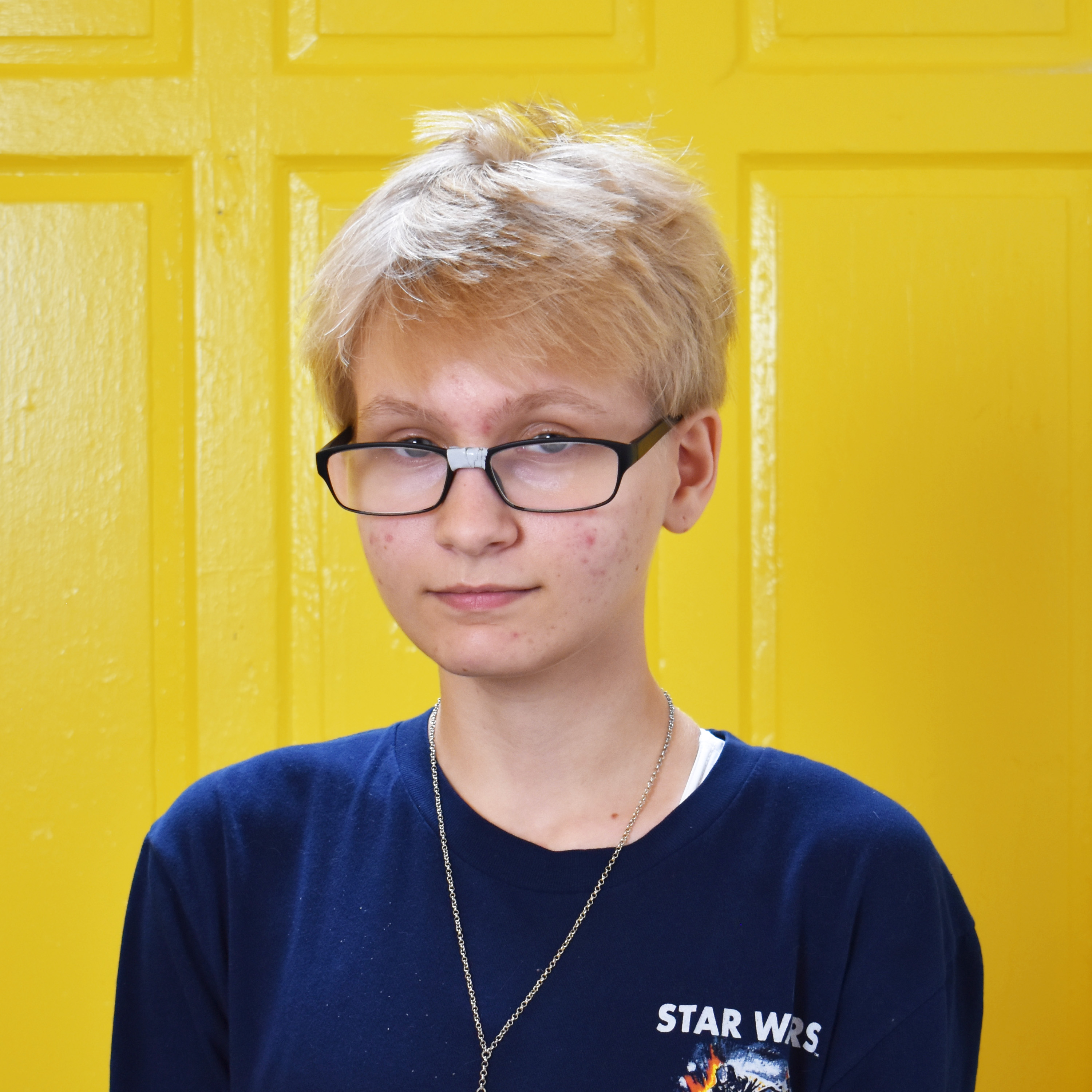
By: Cody Weber
Hello Wanderers! I’m Cody and I helped with the Wanderoots Safe Spaces Project. My contribution was developing the website's iconography (a symbol used to represent an idea or thing). Additionally, I designed characters inspired by the three neighborhoods on the WanderRoots Map: Downtown, Over-the-Rhine, and Walnut Hills.
I had the idea to make plant based characters because of the major “roots” theme on our safe spaces map–I really like plants so this was the perfect job for me! To decide each character’s names and pronouns, I had the entire youth cartography team vote together. Everyone put their suggestions down on sheets of paper and we each got an equal number of votes on the final choice. For the characters’ colors, I gave another cartographer (Dimitri) creative direction while he worked on digitizing each character. The end goal is to have these characters later be turned into merchandise like stickers. By developing these characters, I've given each neighborhood a distinct identity.
Anyone who has been to Cincinnati would instantly know how much the Downtown area contributes to both our sports and music scenes. This neighborhood is home to the majority of the stadiums where our athletes practice as well as the venues that musicians perform at. It is for these reasons why I decided to incorporate athletic and musical themes into the character designs for this area. The first plant I chose when designing these characters was an amaranthus because its red color could be associated with the Red’s Baseball Team. Another plant I chose for this neighborhood was a kniphofia because of how its bright colors and explosive shape remind me of the fireworks show at the end of Red’s games. For my final downtown character choice, I decided to pick a kokabu vegetable. The kokabu is a round turnip with white and green leaves that shoot upwards. Its distinct shape reminded me of a musical note, and made it an obvious choice for a character design.

Amara (she/they, amaranthus)

Nicholas (he/him, kniphofia)

Keyan (he/she, kokabu)
With frequent visits to Over-the-Rhine (OTR), I thought it would be important to show how imperative the area is to Cincinnati’s art community. By using “artsy kid” stereotypes for the characters I was able to capture the neighborhood's vibrant aesthetic. For the first character, I chose a bloomed dandelion because of how its colorful nature relates to the area's creative themes. Another plant I chose for the OTR characters was an orchid because of the same reason as before–its bright colors. The last plant I used for this area was a pothos because of my personal association of this plant to creativity (I have a pothos hanging above my own personal art station at home.)

Dillian (he/him, dandelion)

Olive (they/she, orchid)

Patty (they/them, pothos)
For the Walnut Hills character designs, I decided on a studious appearance after some of the prestigious schools in this neighborhood: Walnut Hills High School and Mercy Montessori Center. The first of three plants I chose for this neighborhood’s design was a black-eyed susan since I always see them around Walnut Hills. For the next design, I picked a tree sprout/sapling as an obvious snapshot of a growing walnut tree. Rounding out the Walnut Hills designs, I decided on making a bush character with how many shops and road lanes in the area have patches or pots specifically with bushes in them.

Soos (they/them, black-eyed susan)

Sprout (he/him, walnut tree sprout)

Barb (she/her–bush)
In conclusion, I can say that this process has included a lot of research on different neighborhoods in Cincinnati and what makes them unique. Some things I have taken away from this project are how to collaborate with other artists, how to format my artistic process, and how to explore spaces through a camera lens. Doing this research has even made me consider transferring from my current school to one in Walnut Hills. The process has even made me feel more focused on specific details when it comes to character design. I encourage everyone to go outside and explore the neighborhood they live in because they might find something new. The WanderRoots Safe Spaces Map would be a great tool to guide this exploration!


Comments